Tuberculosis (TB) Information
San Diego City College is providing information and guidance related to Tuberculosis (TB) to help ensure that students, faculty, and classified professionals are well informed about the current situation. The college is closely monitoring the developments around this situation and will provide updates as appropriate.
To help keep yourself and others safe, familiarize yourself with the information below.
About Tuberculosis (TB)
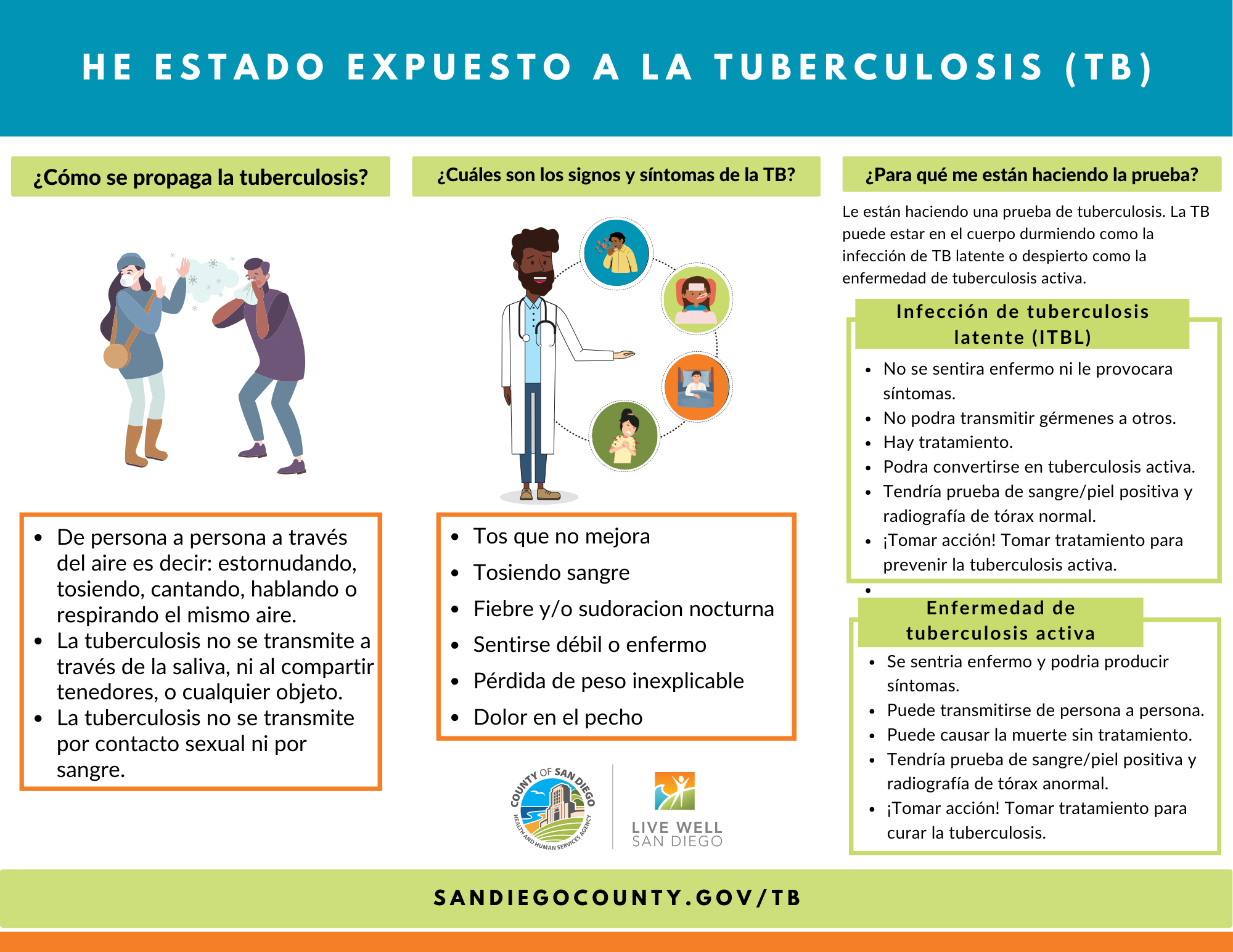
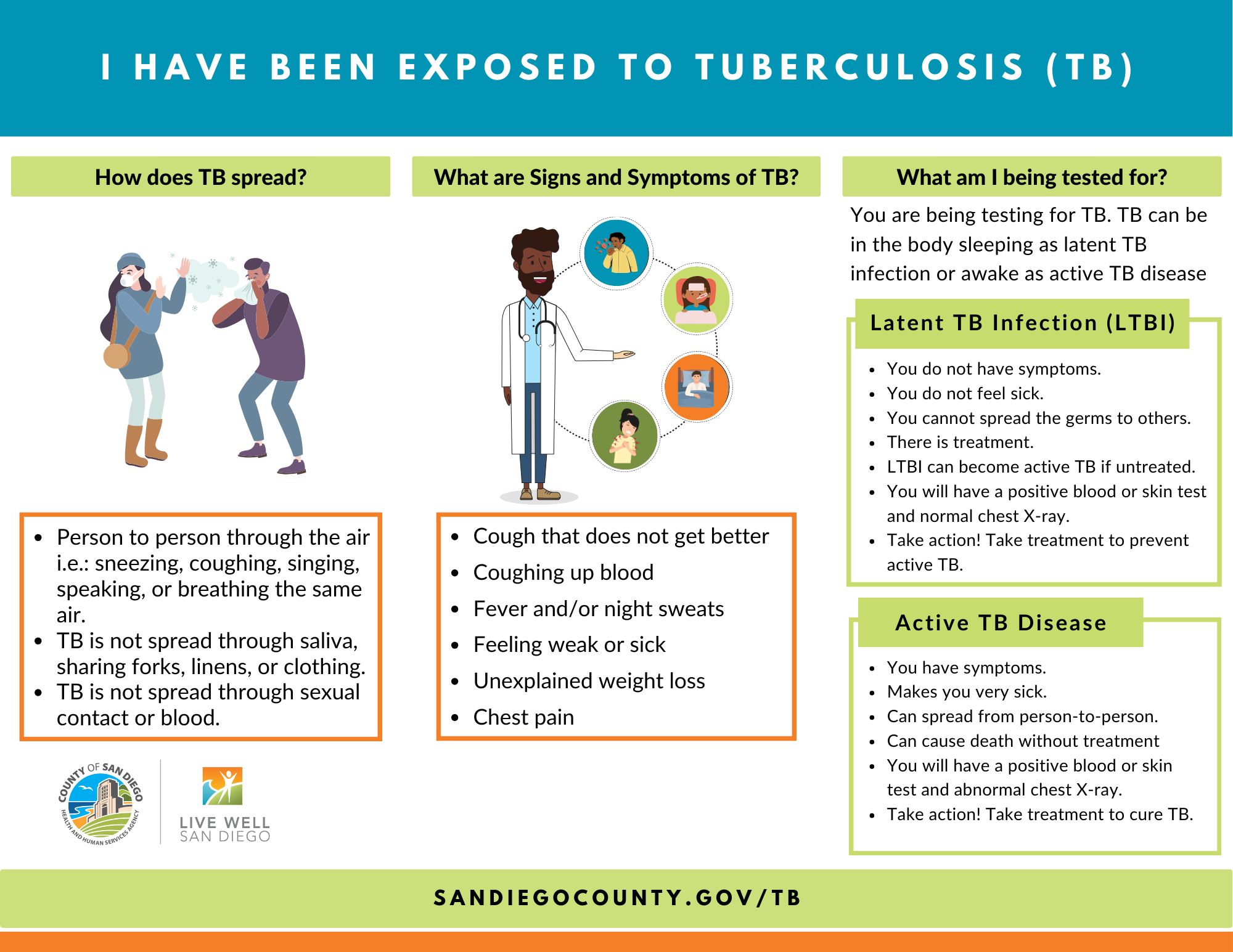
TB is a serious disease that is spread through the air from person to person when a person with active TB coughs, speaks, sings, or breathes. The chances of infection are higher for people with frequent and prolonged indoor exposure to a person who is sick with TB. For indoor exposures, factors like room size and ventilation also affect the likelihood of TB transmission. Symptoms of active TB most commonly may include persistent cough, fever, night sweats and unexplained weight loss. Additional information about TB is on the U.S. Centers for Disease Control and Prevention (CDC) site.
I received a notice. What should I do?
If you received a formal notice from the County of San Diego Health and Human Services Agency (HHSA), San Diego City College, or the San Diego Community College District (SDCCD), you should follow the instructions provided, to include getting tested, even though it is suspected that your risk of acquiring TB may be low.
Unless you have received direct communication from county or college health officials, you do not need to take action. Based on findings during the health investigation and the information received from the college, HHSA believes your personal risk of acquiring TB from this exposure to be low.
What should I do if I develop symptoms?
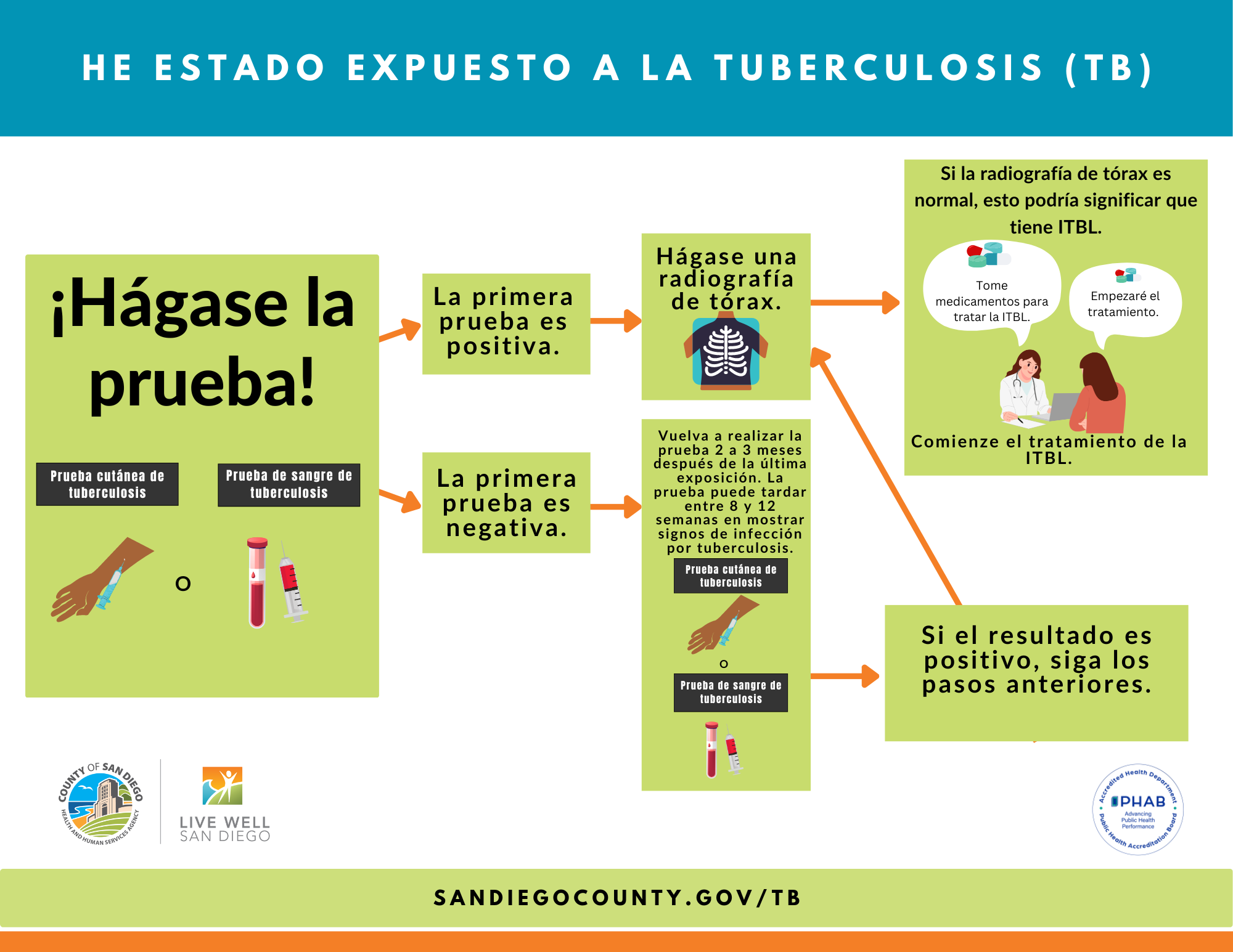
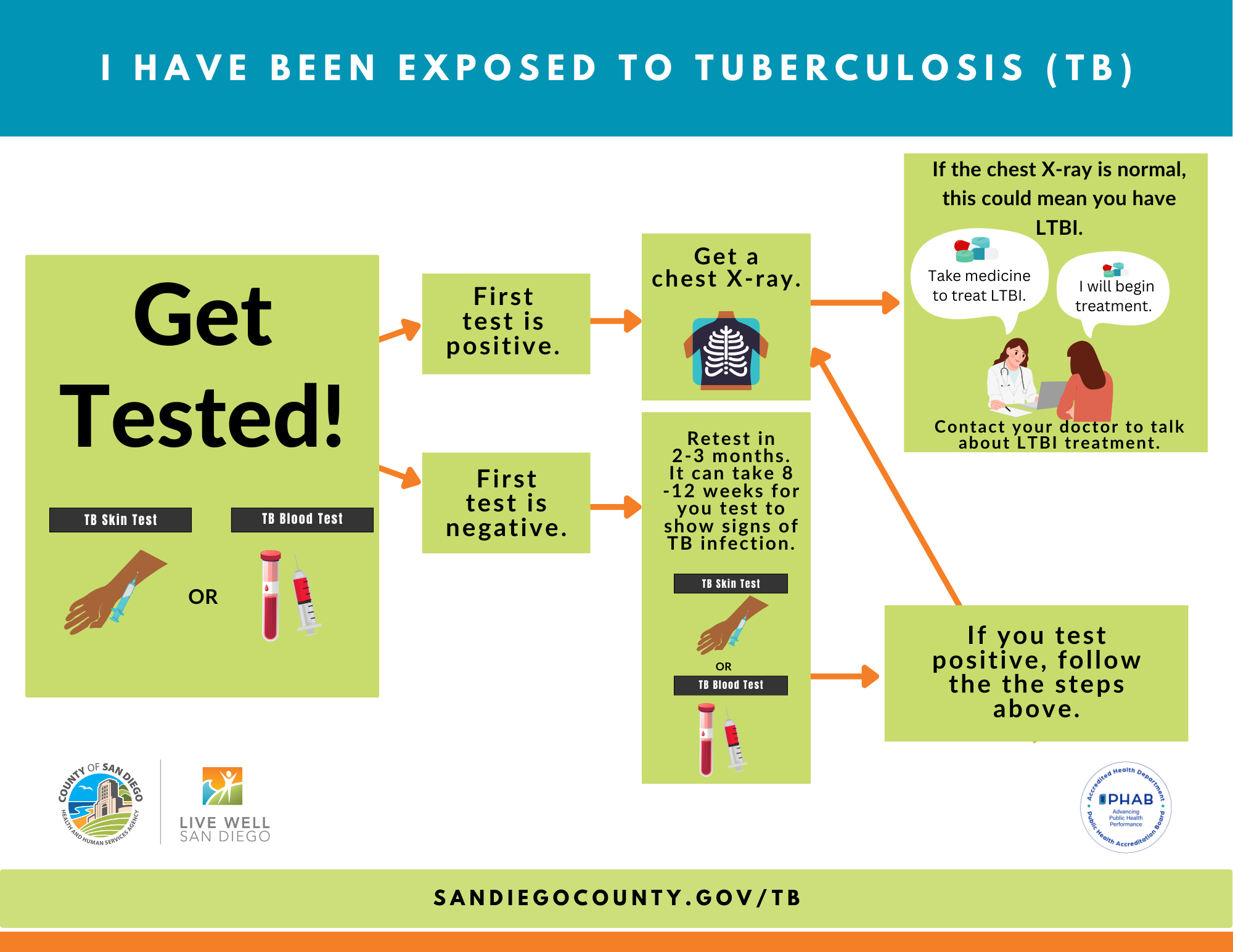
TB can be acquired anywhere. It is important that any individual with symptoms consistent with active TB see a medical provider to rule out active TB right away. People who are immuno-compromised should see their medical provider to discuss preventive treatment regardless of TB test results. Most people who become infected after exposure to tuberculosis do not get sick right away. Some people infected with tuberculosis will become ill at some point in the future, sometimes even years later, if their latent TB infection is not treated. Blood tests and skin tests are effective to determine whether someone has been infected.
More Information
We appreciate your cooperation in helping us to protect your health and the health of our community. If you have any questions, you can contact Student Health at 619-388-3450.
Espanol